Tips and tools: IKEA's time machine, Ford's fake quote, and testing products across 50 years
Here are some great resources we have recently shared with one another
(We don’t profit from recommending things. We just love sharing things we think you’ll appreciate. You can see our other Tips and Tools articles here.)Take a trip through 70 years of Swedish design
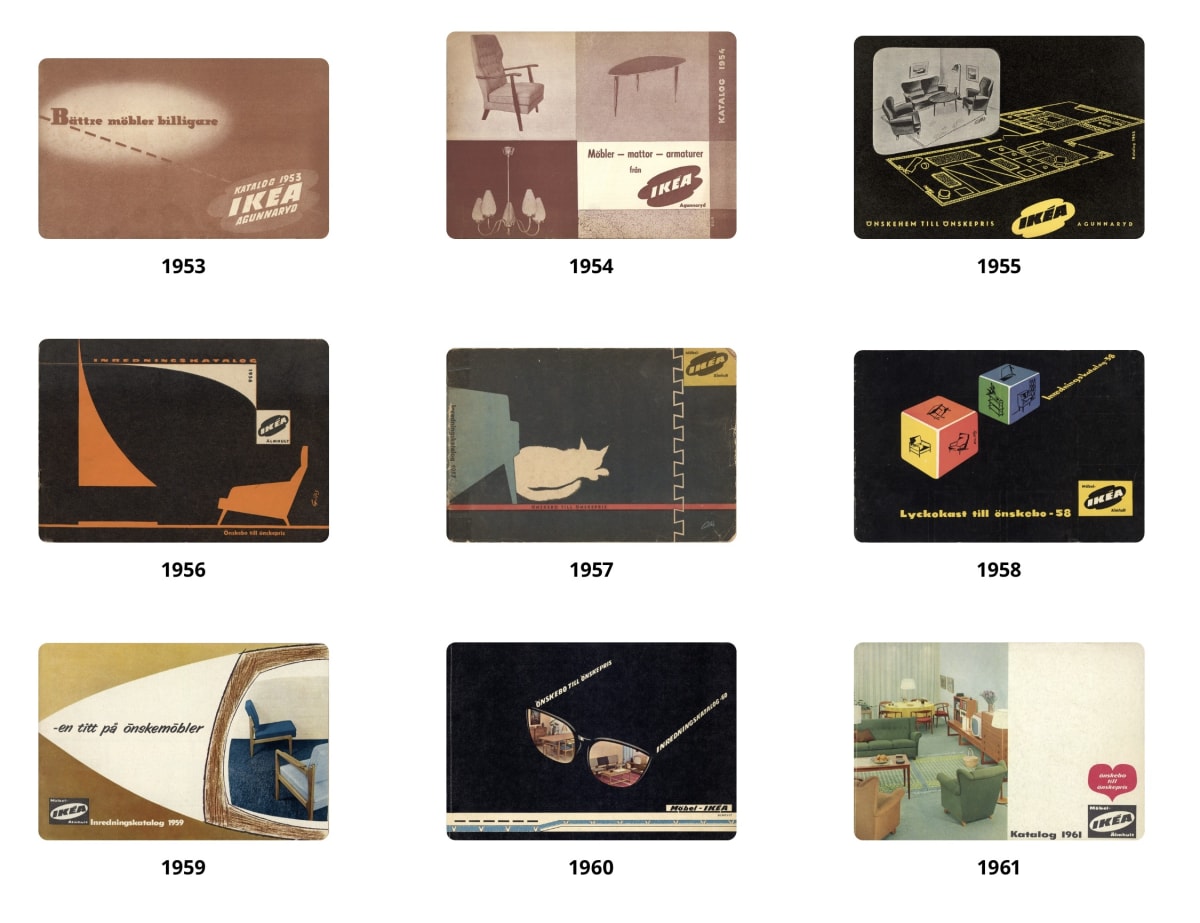
Ever wondered what your grandparents’ IKEA catalog looked like? (Spoiler: it was mostly mail-order furniture, and the meatballs hadn’t arrived yet.)
The IKEA Museum has digitized every catalog from 1951 to 2021, creating a fascinating time machine through consumer culture. The 1951 edition shows simple wooden furniture sold by mail. By the 1970s, the flat-pack revolution had begun. And by 2021, the catalog had become a lifestyle magazine with a bigger circulation than the Bible.
What struck us most? The gradual shift from selling products to selling dreams. Early catalogs showed furniture. Modern ones showed lives. It’s a masterclass in how positioning evolves, and why even furniture stores need to think about the stories they’re telling.
Henry Ford probably never said that thing about horses

“If I had asked people what they wanted, they would have said faster horses.”
You might have heard this quote before. There’s just one problem: There’s no evidence that Henry Ford ever said it.
Anton Sten’s article brilliantly unpacks why this fake quote became business gospel, and why the real story is more interesting. Ford’s actual innovation wasn’t ignoring customers. It was understanding them better than they understood themselves. He saw that people didn’t want cars OR horses. They wanted affordable, reliable transportation.
The lesson for conversion optimizers? Remember to dig deeper than surface-level customer feedback. The gold is in understanding the underlying need.
How to rebuild a 63-year-old business (one process at a time)
This video about Ryan Tierney buying and rebuilding a decades-old company had us glued to our screens.
Tierney, who wrote Lean Made Simple, recently purchased a traditional manufacturing business that has been operating since 1961. Watching him walk through the factory floor, you can practically see the opportunities jumping out - outdated processes, paper everywhere, workers with decades of knowledge trapped in their heads.
His approach? Start with the smallest possible improvement. Get one win. Then another. It’s textbook Genchi Genbutsu: go to the source, observe, and understand. (Though unlike Aldi’s legendary floor, this one definitely needs resurfacing.)
If you’ve ever wondered what it’s really like to transform a business from the ground up, this is your backstage pass.
Why AI hallucinates (and why you should care)

We’ve all had that moment: AI confidently tells you something that sounds right but is completely made up. The Nature of Hallucinations dives deep into why language models make stuff up. The fascinating part? It’s not a bug, it’s a feature of how they work. These models are prediction machines, not truth machines. They’re optimizing for what sounds plausible, not what’s actually true.
For anyone using AI in their business, understanding this distinction is crucial. It’s the difference between using AI as a creative partner versus treating it as an oracle.
And finally… testing products from 1975 vs 2025. Which wins?
What happens when you test the same products from 50 years apart? The results might surprise you.
This comparison video pits 1975 products against their 2025 equivalents—blenders, toasters, and can openers. The twist? When you adjust for inflation and spend the same amount, modern products blow the old ones away. That $20 blender from 1975? It’s $120 in today’s money. And for $120 today, you get something that would seem like alien technology to someone from the ’70s.
It’s a reminder that despite all our nostalgia for “when things were built to last,” we’re actually living in a golden age of consumer value. Though we suspect those 1975 products still have one advantage—you could probably fix them with a screwdriver instead of throwing them away when they break.
Have you come across something worth sharing?
If so, let us know. We could include it in a future article.
How much did you like this article?
What’s your goal today?
1. Hire us to grow your company
We’ve generated hundreds of millions for our clients, using our unique CRE Methodology™. To discover how we can help grow your business:
- Read our case studies, client success stories, and video testimonials.
- Learn about us, and our unique values, beliefs and quirks.
- Visit our “Services” page to see the process by which we assess whether we’re a good fit for each other.
- Schedule your FREE website strategy session with one of our renowned experts.
Schedule your FREE strategy session
2. Learn how to do conversion
Download a free copy of our Amazon #1 best-selling book, Making Websites Win, recommended by Google, Facebook, Microsoft, Moz, Econsultancy, and many more industry leaders. You’ll also be subscribed to our email newsletter and notified whenever we publish new articles or have something interesting to share.
Browse hundreds of articles, containing an amazing number of useful tools and techniques. Many readers tell us they have doubled their sales by following the advice in these articles.
Download a free copy of our best-selling book
3. Join our team
If you want to join our team—or discover why our team members love working with us—then see our “Careers” page.
4. Contact us
We help businesses worldwide, so get in touch!
© 2026 Conversion Rate Experts Limited. All rights reserved.
A Brandwidth Group Company.