Copywriting Friday: Why you're worth it
Copywriting Friday highlights the tools and techniques of persuasive content. Some of the examples may seem dated, but the principles are timeless (and critical for conversion rate optimization). Enjoy.
Sooner or later, every business encounters the same three words:
You’re too expensive.
How a business responds to this most common of objections is often revealing. Some ignore it, some rely on sales or discount codes, but others—a much rarer group—do something completely different.
They justify their price, using reasons their audience can check.
Vitsœ has been making furniture for more than sixty years, and arguing about its prices in public for many of them. It’s a German-founded company, now manufacturing in Royal Leamington Spa in England, and its main product is a wall-mounted shelving system called the 606.
The system was designed by Dieter Rams in 1960 and has been in production ever since.
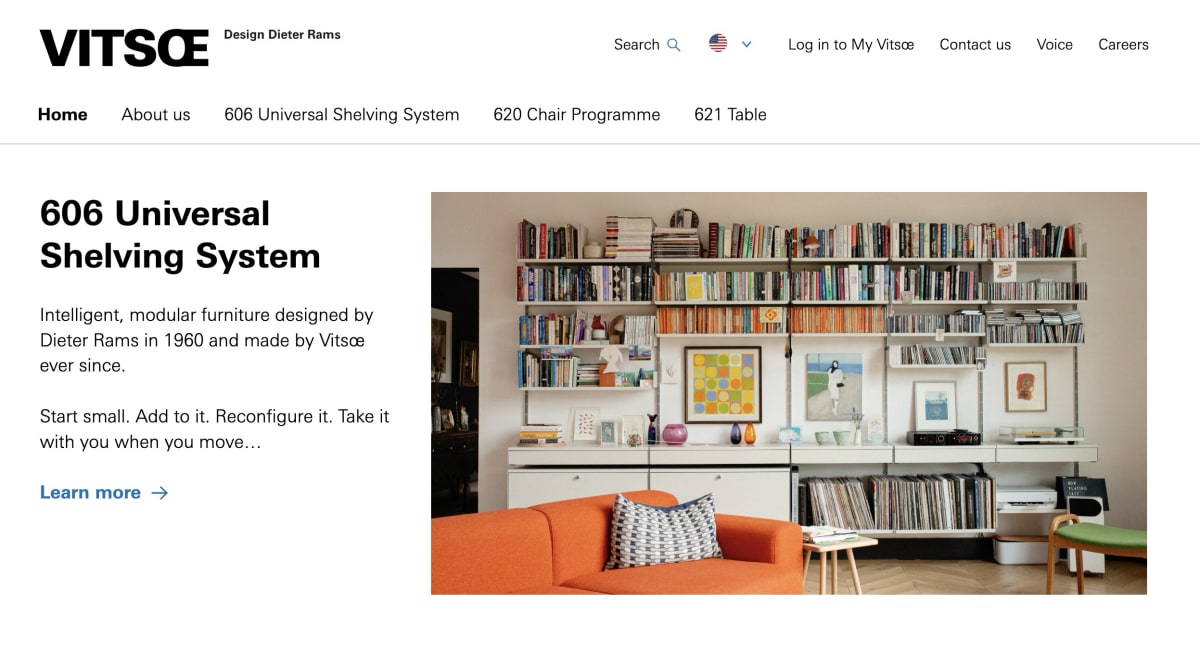
A modest 606 setup can cost almost $1,000, but a large one can be ten times as much. In other words, it’s not cheap.
Or is it? Vitsœ’s website makes its case in two linked places, and we’ll move between them as we go. There’s a standalone page called Honest pricing, and there’s the pricing section on the 606 product page itself.
We’re going to take the techniques and tactics in order of what they cost Vitsœ to use. The early ones are free, and they work anywhere. The later ones cost Vitsœ something, and we’ll come to why that’s the point.
Let’s get started.
Explain your prices by naming the mechanisms behind them
You might see Vitsœ’s shelving as expensive, but the company is on a mission to change your mind. Here’s a brief excerpt from the Honest pricing page that explains why the company’s prices are actually less than they might be:
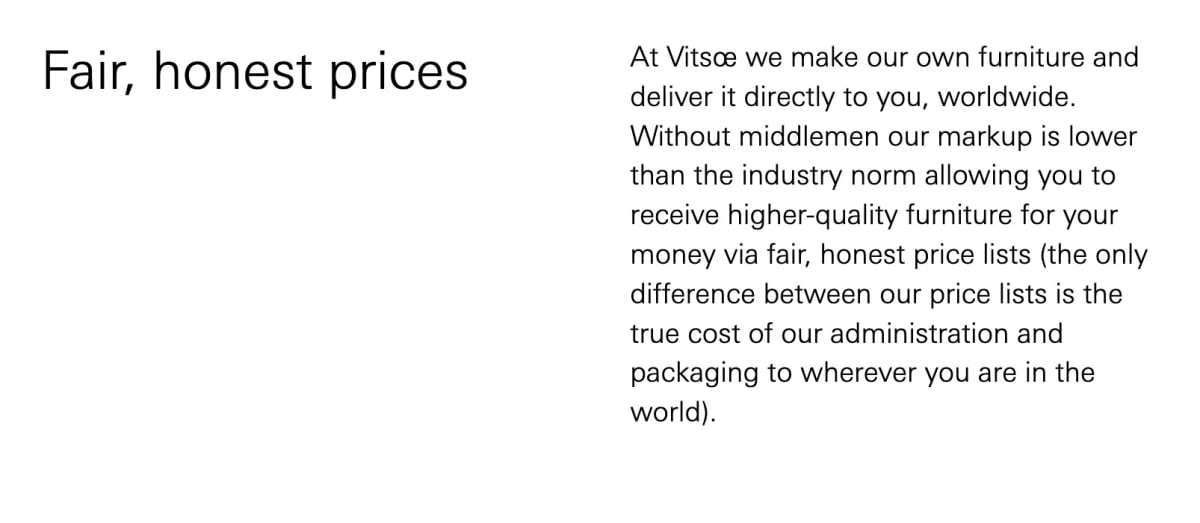
“At Vitsœ we make our own furniture and deliver it directly to you, worldwide. Without middlemen our markup is lower than the industry norm allowing you to receive higher-quality furniture for your money via fair, honest price lists (the only difference between our price lists is the true cost of our administration and packaging to wherever you are in the world)."
Regular Copywriting Friday readers may guess where we are going with this, because it links to the benefits of specificity that we’ve mentioned many times before. As Claude Hopkins said in the 1923 classic, Scientific Advertising:
“Platitudes and generalities roll off the human understanding like water from a duck. They leave no impression whatever."
By contrast, “our markup is lower because there are no middlemen” is a specific reason why prices are lower, not to mention a claim that a customer (or a competitor) could check… which is why it carries more weight.
What explains your price?
So, how do you explain your pricing? To be clear, the answer to this question isn’t why your product is good; it’s why the number is the number. Vitsœ’s answer is structural. We make it ourselves and sell it directly, so you aren’t paying a middleman’s margin.
Yours may well take a similar shape. Our price is what it is because [something about how we operate]. For example:
- We hold stock in three warehouses, so it reaches you tomorrow.
- The person who calls you will be the person who actually did the work.
- We’ll deliver your pizza within thirty minutes.
Can you feel the difference between these and the kind of “high-quality” platitudes that many businesses use?
Once you have your line, ask yourself how easy it would be for a prospect to check. If it’s easy to check—or proven because you show your “three warehouses”—it’s got a much better chance of adding persuasive weight. If not, it risks being ignored as a platitude.
Shrink your prices with comparison and context
If we look at the 606 page itself, we can see how Vitsœ frames the cost of its shelving:
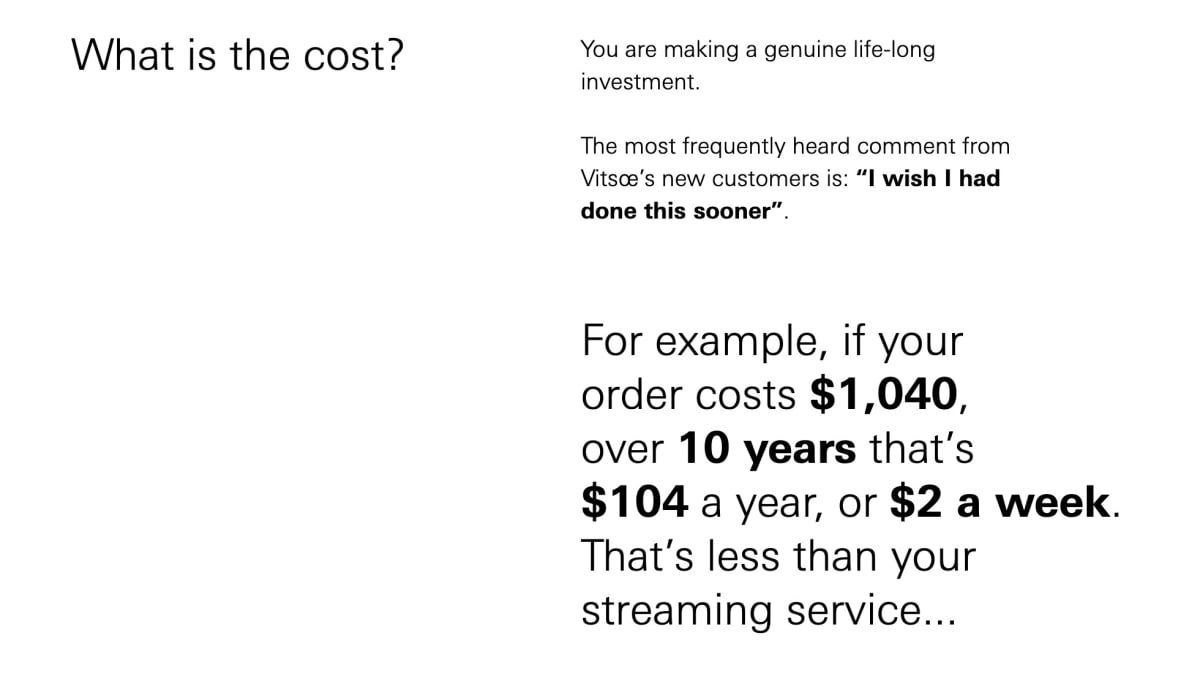
First, the price is broken down into years, then weeks. Then it’s parked next to something the reader already pays for… probably without thinking much about it.
“For example, if your order costs $1,040, over 10 years that’s $104 a year, or $2 a week. That’s less than your streaming service…"
Dividing the number makes it smaller, but naming the comparison helps the visitor visualize exactly how inconsequential that smaller thing is. This is a smart technique, because left alone, the customer might compare that sample order with something else that costs $1,040. A new TV. A month’s rent. A week’s vacation.
But it isn’t that. It’s Netflix.
Immediately beneath this comparison, Vitsœ adds another layer of context to its argument:
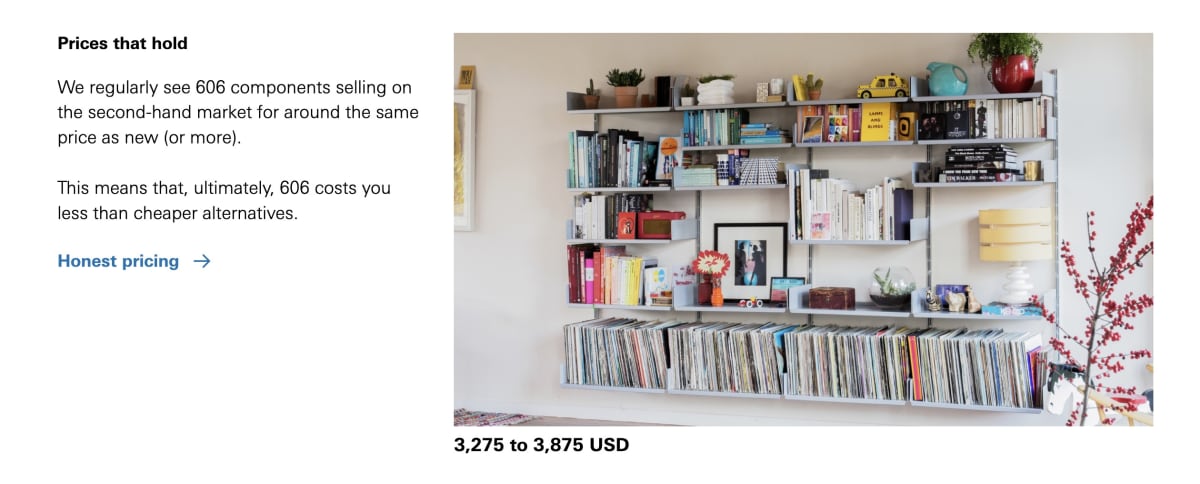
“We regularly see 606 components selling on the second-hand market for around the same price as new (or more)."
“This means that, ultimately, 606 costs you less than cheaper alternatives."
What a powerful reframe. Resale value is evidence about durability that doesn’t come from the manufacturer, which makes it worth more than anything the manufacturer could write. By definition, it’s also falsifiable.
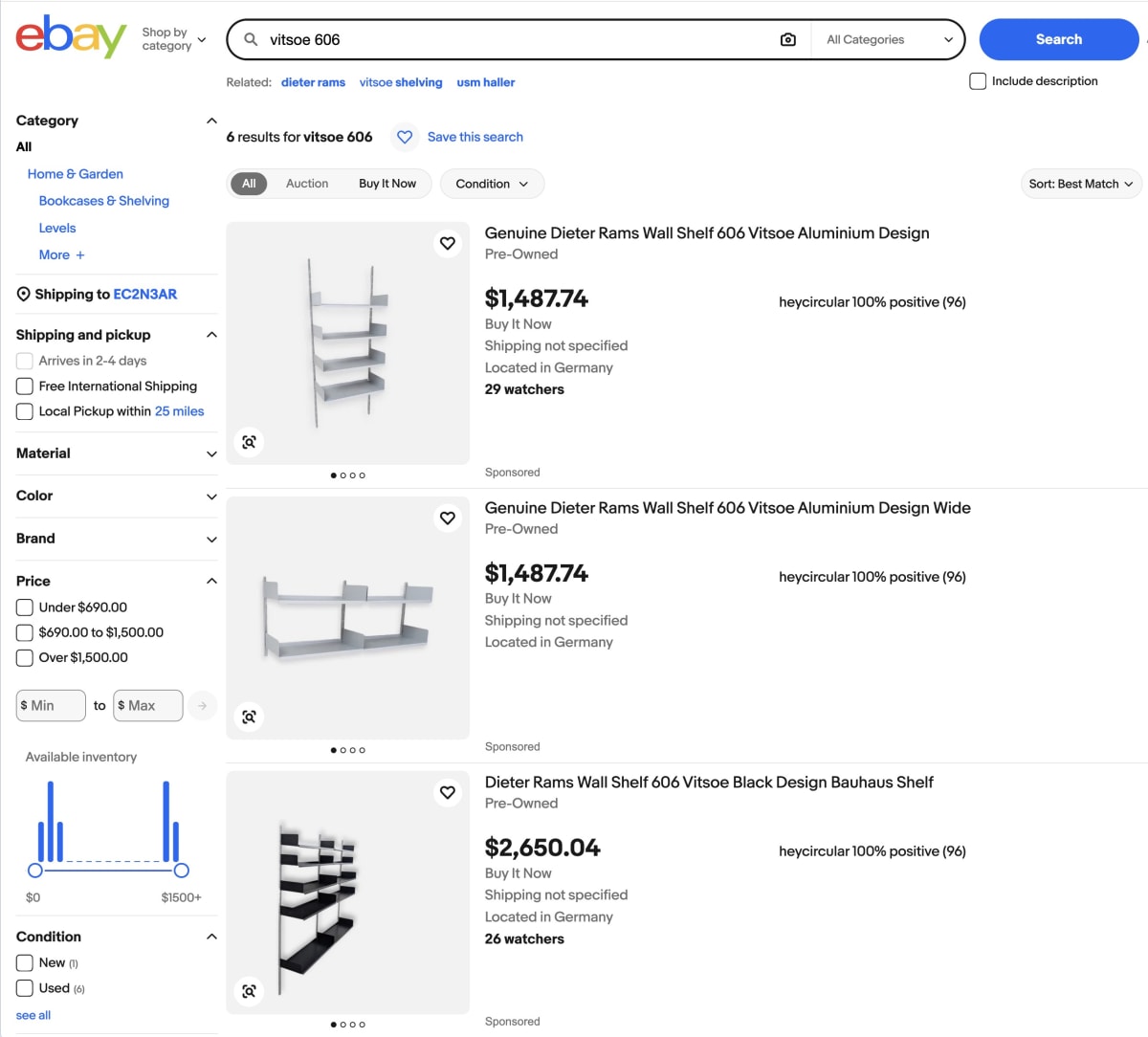
Are secondhand components selling online?
Let’s check eBay.
What will your visitors compare your price to?
To state the obvious, they’re going to compare it to something, even if it’s as simple as what they could do with the money instead.
The only question is whether you choose a comparison or they do.
Can you divide your number until it stops sounding like a purchase: per year, per week, per user, per delivery? If you can, might you also name the thing it now resembles?
Beware of lazy comparisons. The phrase “less than a cup of coffee a day” has been overused so heavily that it now reads as a sales technique rather than a fact. Streaming works as a comparison because it’s relatively small, highly valuable, and associated with something good.
And if you can find a number from outside your own company, use that to bolster your argument. We checked eBay in about thirty seconds, and so can your prospect.
Stop training your visitors to wait for the discount
The tactics above are open to anyone. The ones that follow are different, because using them costs Vitsœ money.
That cost is the whole point. Economists call it signaling, and Michael Spence shared a Nobel Prize for explaining how it works, using education as his classic example. Part of what a degree tells an employer has nothing to do with the syllabus. It’s simply easier to earn if you are the kind of person that the employer is looking for.
That gap is the active ingredient. A signal becomes especially persuasive when it would cost a pretender more than it costs you, which is why most marketing promises do so little work. They’re free, so everybody makes them.
By contrast, any policy that costs you real business is one your competitor can’t cheaply copy.
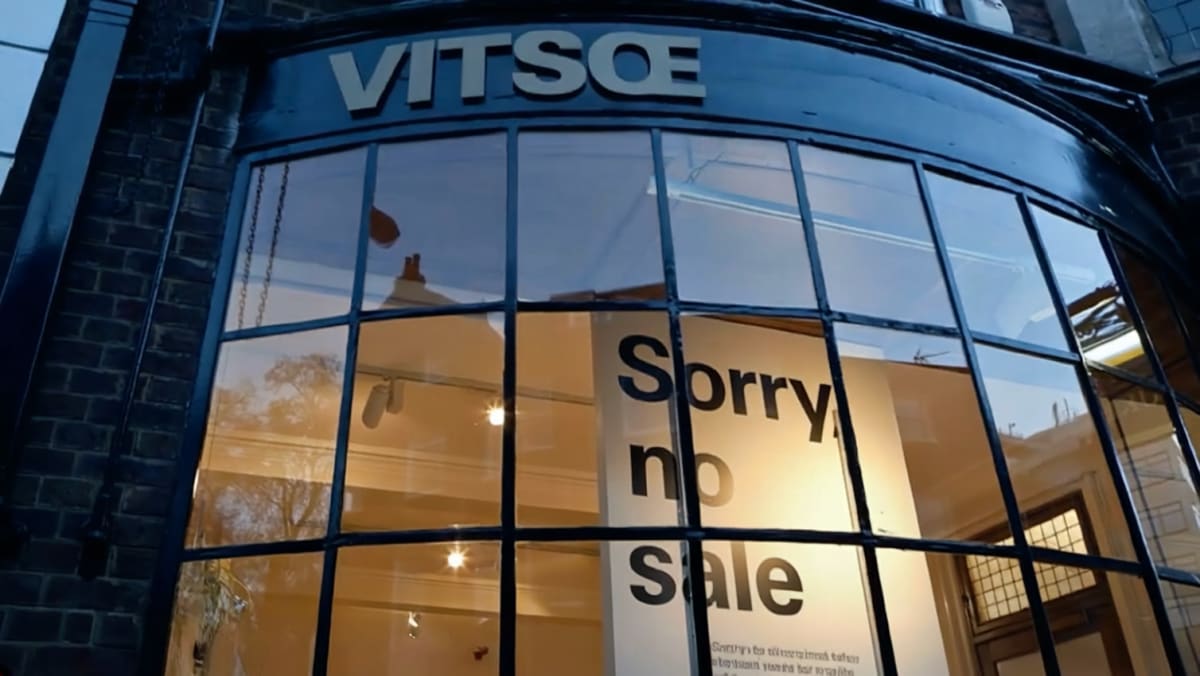
Here’s the very start of the Honest pricing page:
“For many years we have stated that we do not price our products in such a way that we can offer ‘discounts’ against initially inflated prices. And, because our stock does not become obsolete, we never have a ‘sale’."
Again, let’s note that the no-sale policy arrives with a reason attached. Because Vitsœ’s stock does not become obsolete. As a consequence—almost unbelievably in the modern world—the company’s personal planners “actively encourage you to buy less, initially, and only add more later if you need to."
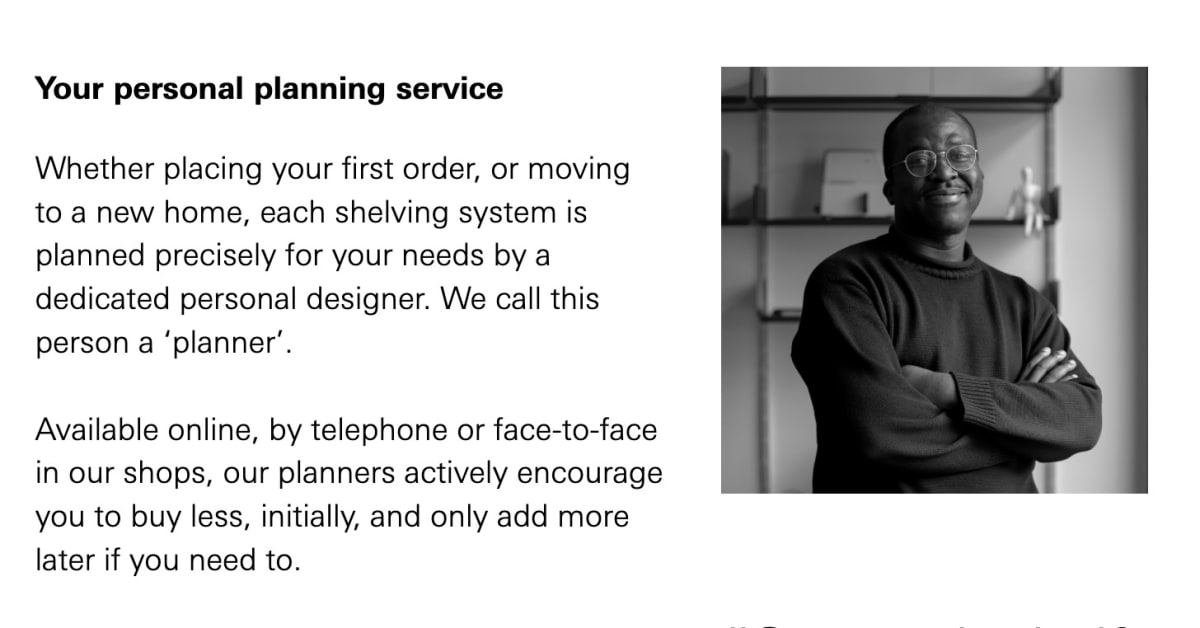
Convincing customers to spend less? That’s the kind of tactic that could only make sense if you’ve been selling the exact same system for decades… isn’t it?
Maybe not. 3D-printer maker Prusa operates in one of manufacturing’s fastest-evolving markets. While many of its competitors follow a ‘fast fashion’ approach, rapidly marketing new machines and orphaning old ones, Prusa’s machines are supported for years. For most of its models, the company sells upgrade kits so customers can buy small and upgrade later if they want to.
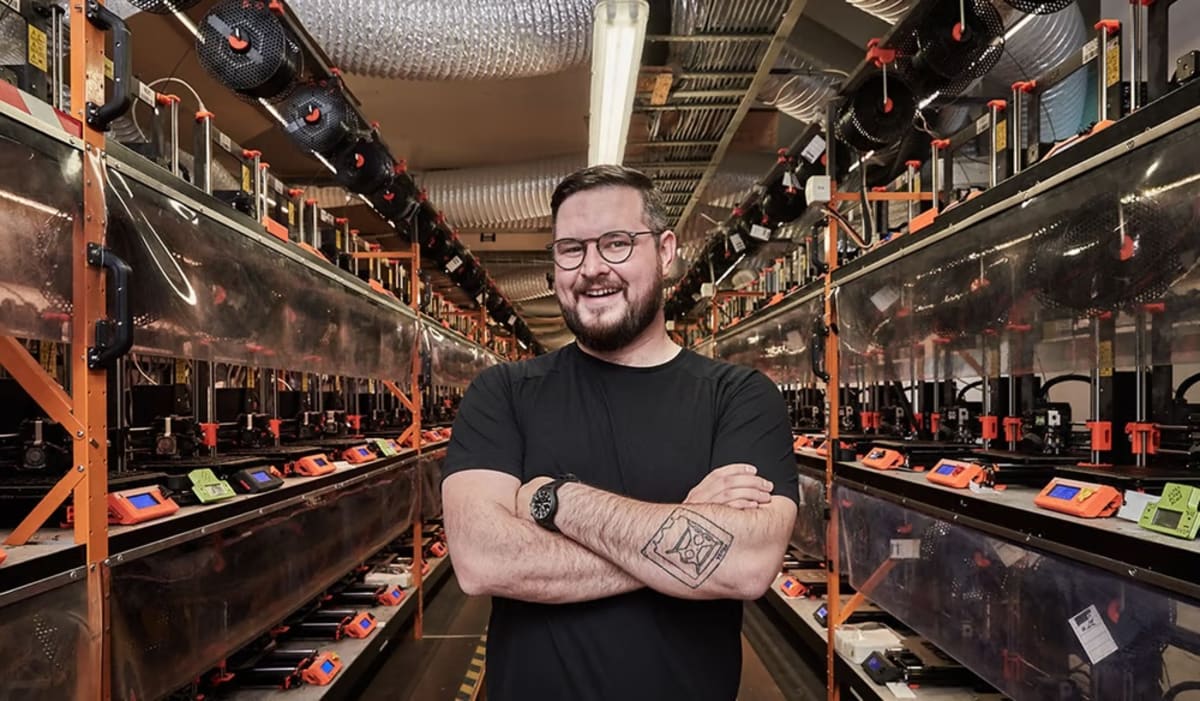
The upgrade path is real, not marketing. A Prusa MK3 owner can convert to an MK4S, and an MK4S owner can convert to the newer CORE One. By giving up the traditional upgrade sales, Prusa has built one of the most diehard communities in consumer hardware.
Although Prusa provides upgrade kits for its machines, it isn’t above a back to school sale. Like you, it has a different business model from Vitsœ, but it can use aspects of these strategies that fit. The fact that Vitsœ doesn’t do sales does not necessarily make it braver than everyone else. Its 606 shelving just happens to have removed the usual reasons to discount, and the copy simply tells the truth about that.
In fact, it doesn’t so much tell the truth as drive it home:
“In short, we have already discounted our prices for everyone."
Wait. So the price I’m looking at is the discounted price. That’s another powerful reframe if you can do it, because it makes today’s number the best number, permanently.
What does your discount strategy teach your audience?
So the question isn’t whether to stop discounting. Prusa discounts. It’s what your discounting has already taught people.
Look at your last twelve months of promotions and ask whether a regular customer could predict the next one. If they could, they may already be waiting for it, and reading every price on your site as a provisional offer. That’s the real cost of the permanent discount, and you pay it whether or not you’re running one today.
If you need to discount, the trick is to attach a specific reason to whatever you do. “Our summer sale clears stock before the new range lands in September” is checkable, and it tells the reader exactly when to buy and when there’s no point waiting.
Build trust by giving up things that cost you
Vitsœ doesn’t just encourage people to spend less; it actively resists the tools that other retailers use to get you to part with your money. Here’s where the company explains, again on the Honest pricing page, why it turned down a checkout feature that plenty of high-ticket retailers offer.
“We have investigated offering ‘buy now, pay later’ solutions. To cover the costs of such a service it would be necessary to increase prices for every customer, whether or not they use the service. Our conclusion is that it would not be honest to charge all customers for a service that is not used by everyone. (Of course, we always urge customers to buy less at the outset, safe in the knowledge that we will always be here in the future)."
We’ve highlighted the last part because these aren’t just words on a web page. They are backed up by the fact that Vitsœ’s planners work without commission. These decisions are a cost, and the Honest pricing page ends by emphasizing this:
“While our honest-pricing commitment may cost us business, we are honoured to work with the best architects and specifiers, many of whom have come to respect us for our transparency."
That’s the signal doing its work. The decisions genuinely cost Vitsœ orders and margin, and the costs are what make the claim credible.
What are you already giving up?
Now, you may not be in a position to refuse commission or turn down a checkout feature that converts. Few businesses are.
But here’s the part that really is available to everybody. You are almost certainly already giving something up, and you’ve probably never mentioned it on your website.
Maybe you honor guarantees that are just past their deadline. Maybe you decline leads you aren’t quite right for. What about the cheaper plan that you talk people into, or the upsell you don’t pursue because it isn’t in the customer’s best interest?
Most businesses do at least one of these, and treat it as operational housekeeping rather than as marketing. Spoiler: It’s marketing! In fact, it’s the most credible marketing you own, because it’s the kind of claim that your competitors likely won’t copy.
So here’s the question for your own pricing page. What are you already giving up that you’ve never told anyone about?
Tell us why you are worth it
You may not have Vitsœ’s product, or its business model, or a stock that never goes out of date. Almost nobody does. But the basic tactics it uses are open to anyone.
We love how Vitsœ’s pricing argument fits together like its own system:
- Explaining the mechanism behind its (low) prices.
- Choosing comparisons that reframe the cost.
- Adding resale context that visitors can check in thirty seconds.
- Training its customers that today’s price is the best price.
- Encouraging people to buy only what they need.
- Forgoing financing options and commissions that could increase profits.
As we said at the start, every company encounters the price objection. Not just once, but often. Few have a response as clear and credible as Vitsœ’s.
See you next time on Copywriting Friday.
How much did you like this article?
What’s your goal today?
1. Hire us to grow your company
We’ve generated hundreds of millions for our clients, using our unique CRE Methodology™. To discover how we can help grow your business:
- Read our case studies, client success stories, and video testimonials.
- Learn about us, and our unique values, beliefs and quirks.
- Visit our “Services” page to see the process by which we assess whether we’re a good fit for each other.
- Schedule your FREE website strategy session with one of our renowned experts.
Schedule your FREE strategy session
2. Learn how to do conversion
Download a free copy of our Amazon #1 best-selling book, Making Websites Win, recommended by Google, Facebook, Microsoft, Moz, Econsultancy, and many more industry leaders. You’ll also be subscribed to our email newsletter and notified whenever we publish new articles or have something interesting to share.
Browse hundreds of articles, containing an amazing number of useful tools and techniques. Many readers tell us they have doubled their sales by following the advice in these articles.
Download a free copy of our best-selling book
3. Join our team
If you want to join our team—or discover why our team members love working with us—then see our “Careers” page.
4. Contact us
We help businesses worldwide, so get in touch!
© 2026 Conversion Rate Experts Limited. All rights reserved.
A Brandwidth Group Company.